2026 Fall Pilot Program: Buy PD, Get Curriculum Free!
Students tour nine virtual rooms tracing AI from the Turing Test to agentic systems, examining breakthroughs, limits, and ethical questions.


AI History Museum is aligned to the CSTA K–12 Computer Science Standards, with particular emphasis on Impacts of Computing within our full K-12 AI literacy curriculum. Students examine how AI milestones have affected society and culture, evaluate the ethical debates each generation of AI has raised, and build the historical context needed to think critically about AI today.

These student-facing slides walk students through each phase of the project and include embedded prompts, key concepts, and workbook activities.

Provides pacing suggestions, key vocabulary, discussion prompts, and differentiation tips to support student choice while ensuring alignment with learning goals.

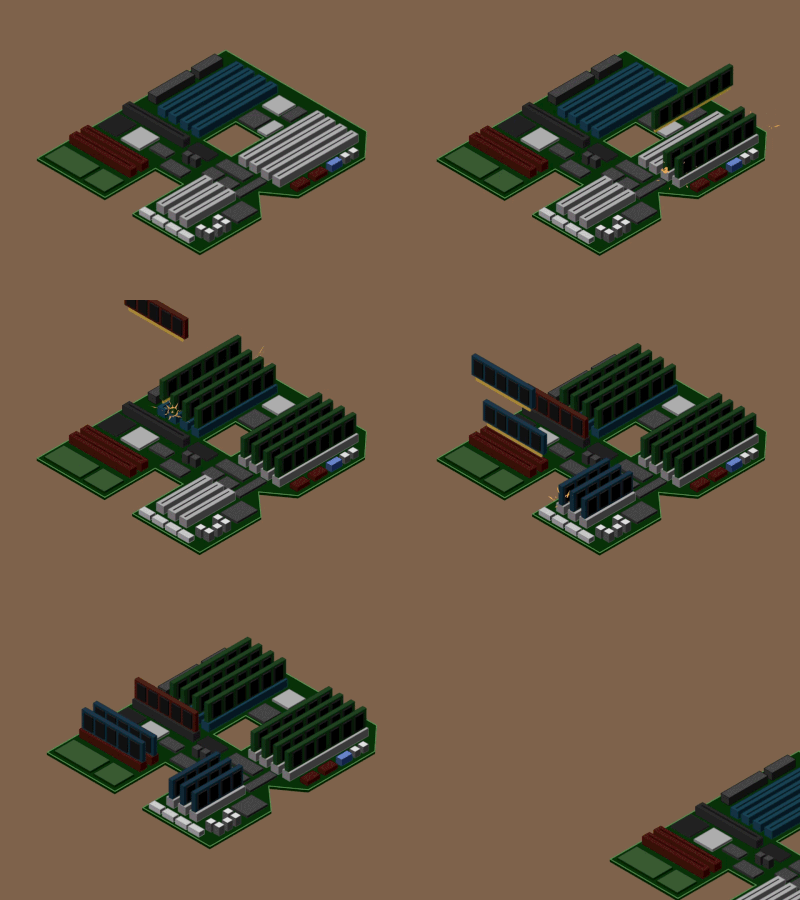
Nine interactive 360° virtual rooms, each focused on a key AI milestone: The Turing Test, ELIZA, Deep Blue, AI at Home, Neural Networks, Voice Assistants, Robotics, Generative AI, and Agentic AI.


By understanding what it is before they use it: AI generates outputs based on patterns in training data, it can be confidently wrong, and it reflects the biases of the data it learned from. Responsible use means checking outputs, citing AI assistance when required, using it to extend thinking rather than replace it, and protecting personal information. Hello World's AI History Museum course for grades 6-12 builds that understanding by having students explore AI's history and ethical issues while creating their own interactive museum, and students agree to a Code of Ethics for their work.
Ethical use goes beyond following rules to asking who is affected. Students should consider whether an AI output is fair, whose data trained it, whether it respects privacy, and what happens to people when AI gets it wrong. In AI History Museum, students tackle privacy and bias directly and consider AI's impact on society, so ethics becomes a habit of mind rather than a policy they were handed.
The idea of thinking machines goes back to the 1950s: Alan Turing's question of whether machines can think, the 1956 Dartmouth workshop where the term "artificial intelligence" was coined, early rule-based systems, the "AI winters" when progress stalled, the rise of machine learning in the 1990s and 2000s, deep learning breakthroughs in the 2010s, and the generative AI systems of the 2020s. Students in AI History Museum build and interact with characters from that history, which makes the evolution of AI concrete rather than a timeline to memorize.
Bias in training data, privacy and surveillance, misinformation and deepfakes, questions of authorship and intellectual property, the environmental cost of large models, and the effect of automation on jobs. These aren't abstract for students; they use AI tools daily. The course uses real cases and has students weigh tradeoffs rather than memorize a list of rules.
Make it concrete and make it theirs. Students engage with ethics when they analyze real cases (a hiring algorithm, a facial recognition system), build something with AI themselves and see where it goes wrong, and discuss situations they recognize from their own lives. AI History Museum combines all three: students learn the history, confront the ethical issues, and build a VR museum that presents their own understanding. It's part of Hello World's broader AI literacy curriculum.
No. AI ethics belongs in social studies, ELA, and advisory as much as in CS. AI History Museum requires no programming background, runs on standard devices, and is designed so teachers in any subject can lead it with the included lesson plans and professional development. For teachers who want a one-period version first, the free Hour of AI is a good starting point.