2026 Fall Pilot Program: Buy PD, Get Curriculum Free!
We believe computer science is only as powerful as the question it's applied to.


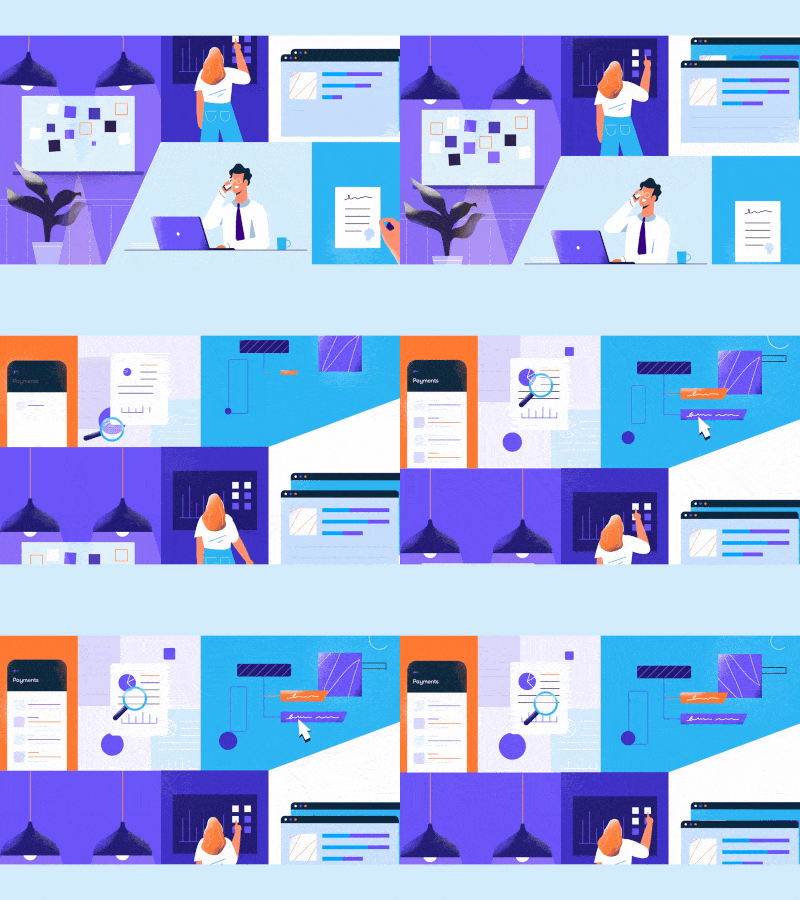
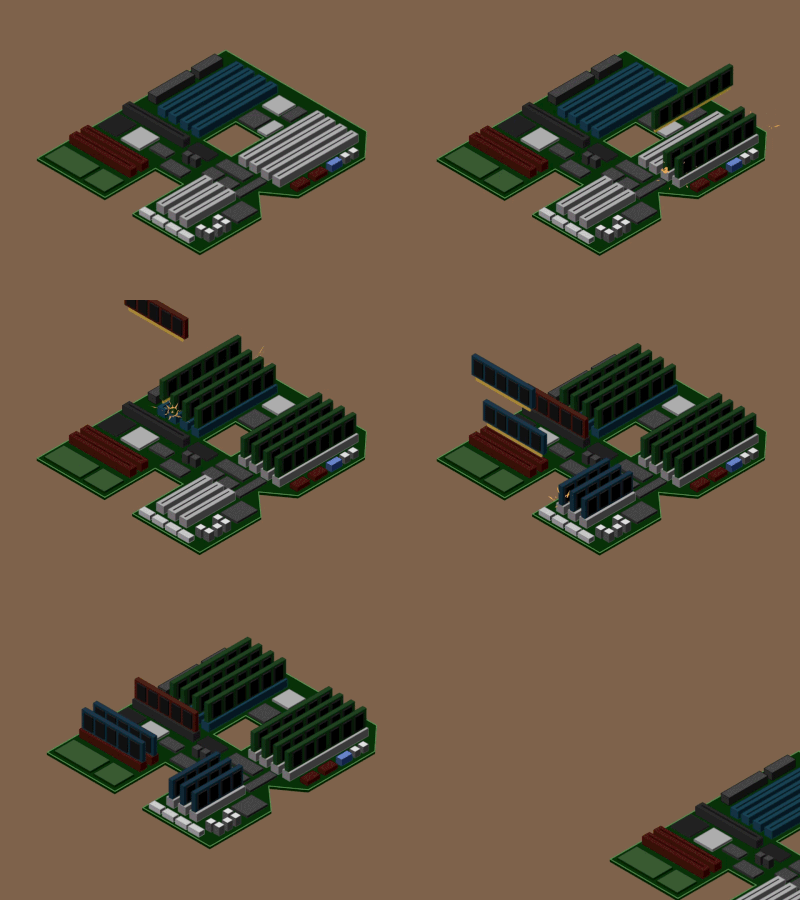

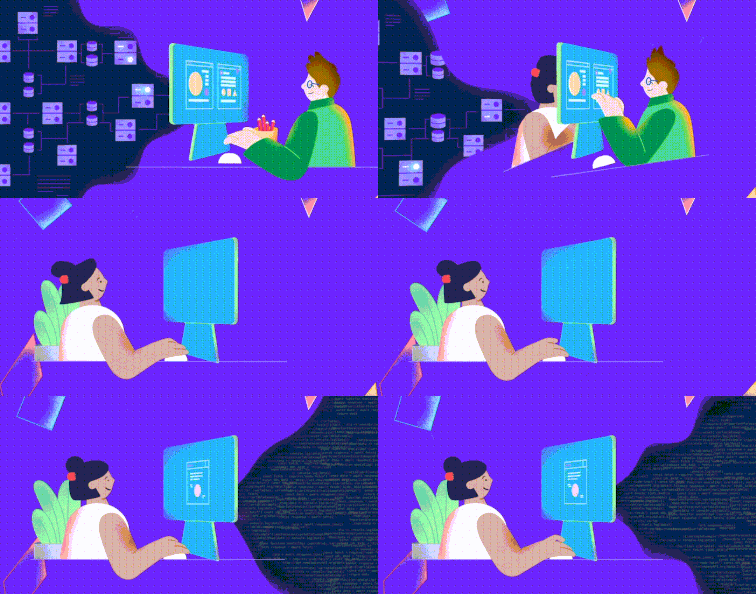













Students design an eco-resilient home, using renewable energy, water conservation, and climate-adaptive design to create a sustainable living space.
Students develop an interactive predator-prey simulation, coding a balanced ecosystem where environmental changes impact animal populations and biodiversity.
Students recreate a National Park of their choice, exploring sustainable wildlife conservation practices and modeling how ecosystems are preserved and restored.


CoBlocksCreate an immersive scene you can look around in every direction from a fixed point.

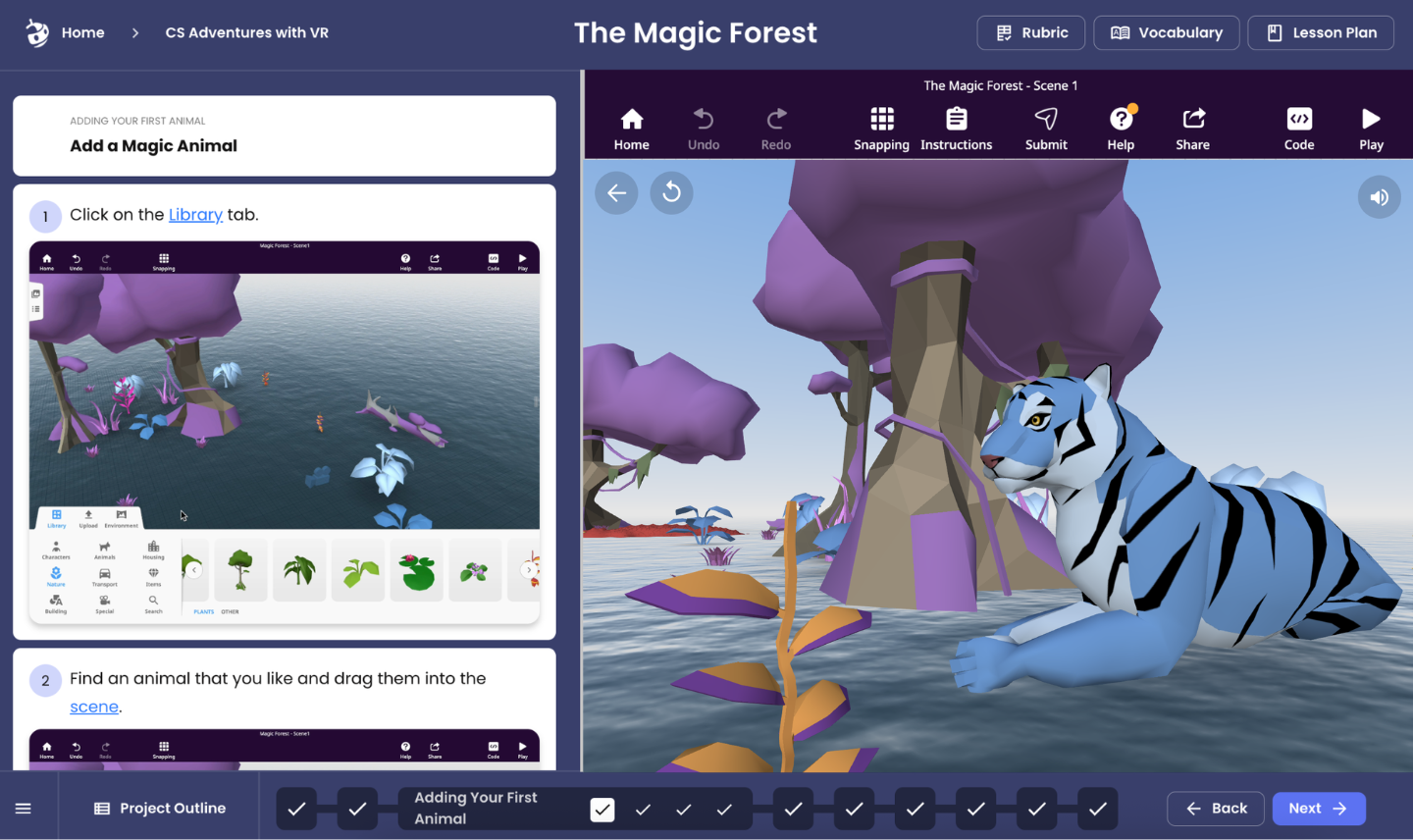
Build an interactive virtual world adding objects, characters, and code.
Collaborate with classmates to build a virtual 3D world together in real time
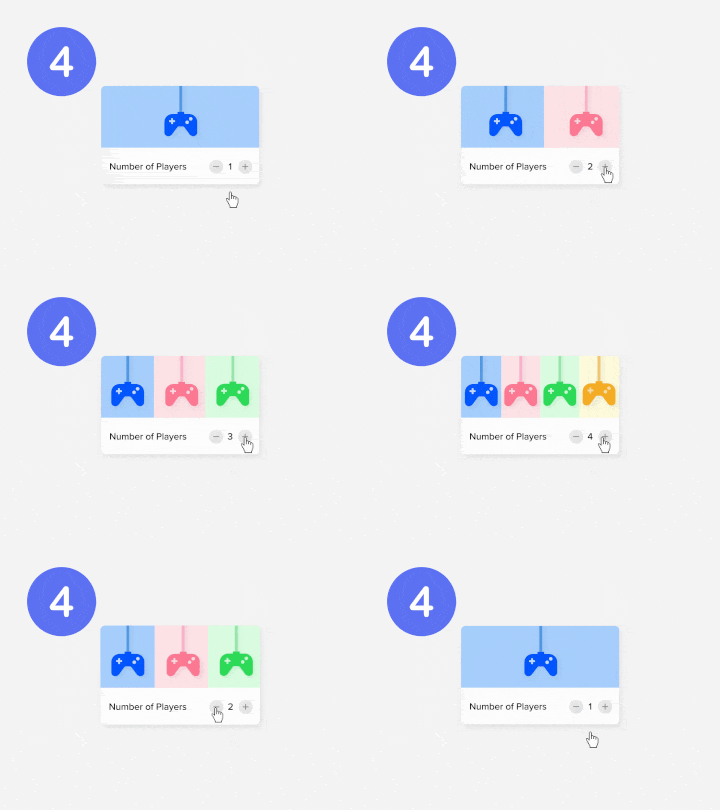
Build a virtual 3D world that multiple people can explore simultaneously, each with their own avatar.
Write Python code to build your own programs, games, and more.

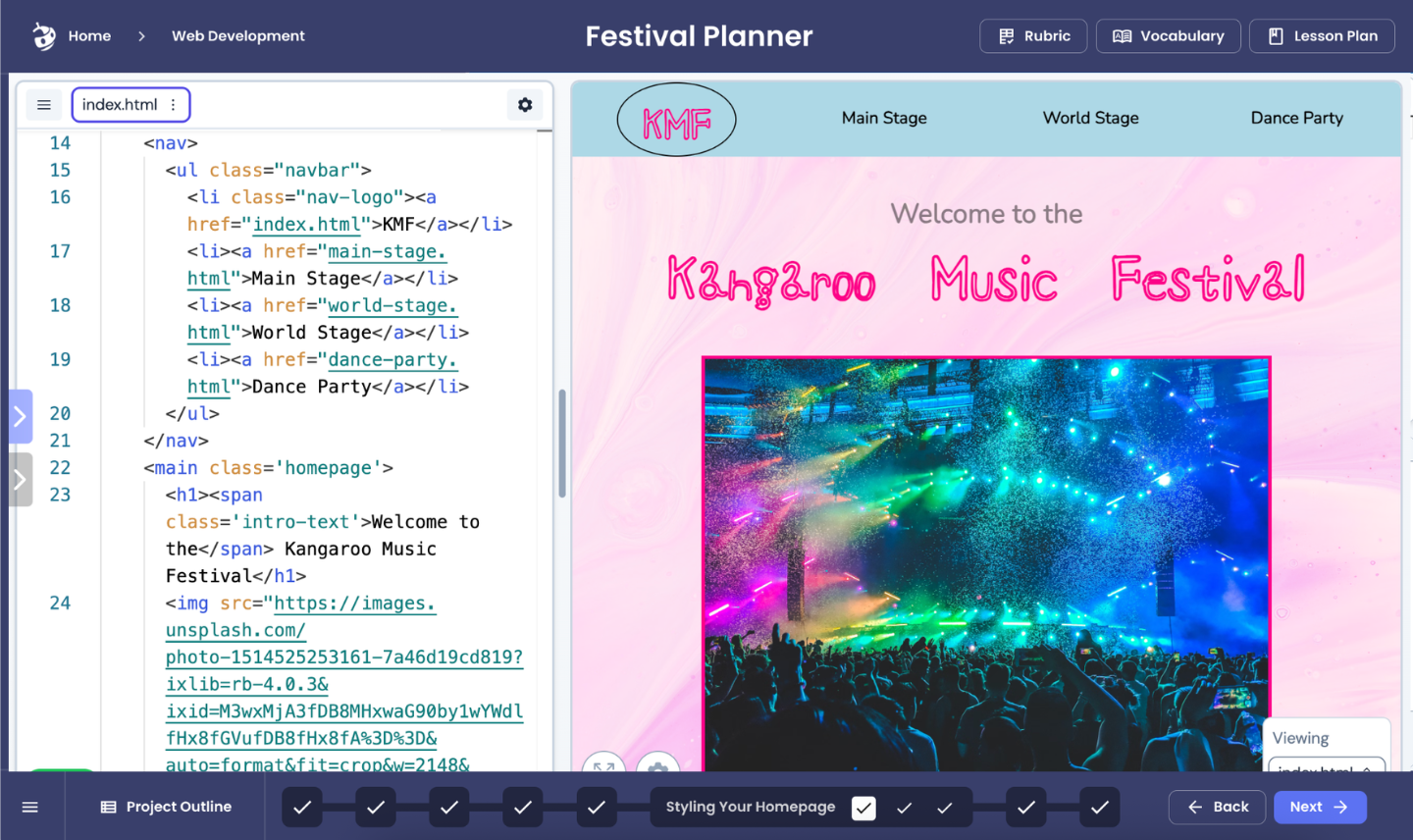
Build your own websites using HTML, CSS, and Javascript.
CoBlocksCreate an immersive scene you can look around in every direction from a fixed point.
Build an interactive virtual world adding objects, characters, and code.
Collaborate with classmates to build a virtual 3D world together in real time
Build a virtual 3D world that multiple people can explore simultaneously, each with their own avatar.
Write Python code to build your own programs, games, and more.
Build your own websites using HTML, CSS, and Javascript.


A K-12 computer science curriculum is a sequenced set of courses that builds computing knowledge from the earliest grades through 12th. It starts with computational thinking and simple block-based programs in elementary school, moves to programming with logic, data, and ethics in middle school, and culminates in text-based languages like Python and JavaScript in high school. Hello World's curriculum spans grades 1 through 12, with courses that build on a shared core of concepts, plus lesson plans, interactive workbooks, slides, and assessments so teachers aren't building from scratch. The full scope and sequence shows how each course connects to the next.
Computer science teaches students how the technology in their lives actually works, and how to build with it rather than just use it. Beyond coding, it develops problem decomposition, logical reasoning, and persistence, skills that transfer to every subject. Starting early also widens the pipeline: students who see themselves as capable in CS by middle school are far more likely to pursue it later. See how districts like Rocketship Public Schools built a district-wide program from a small start.
Look at five things: standards alignment (CSTA and your state's CS standards), whether it's a coherent K-12 sequence or a collection of disconnected courses, how much support it provides teachers who don't have a CS background, whether it's project-based rather than worksheet-driven, and what implementation support comes with it. The curriculum itself is only half the decision. Teacher professional development determines whether it actually gets taught well. Hello World's standards alignment maps every course to CSTA and state standards.
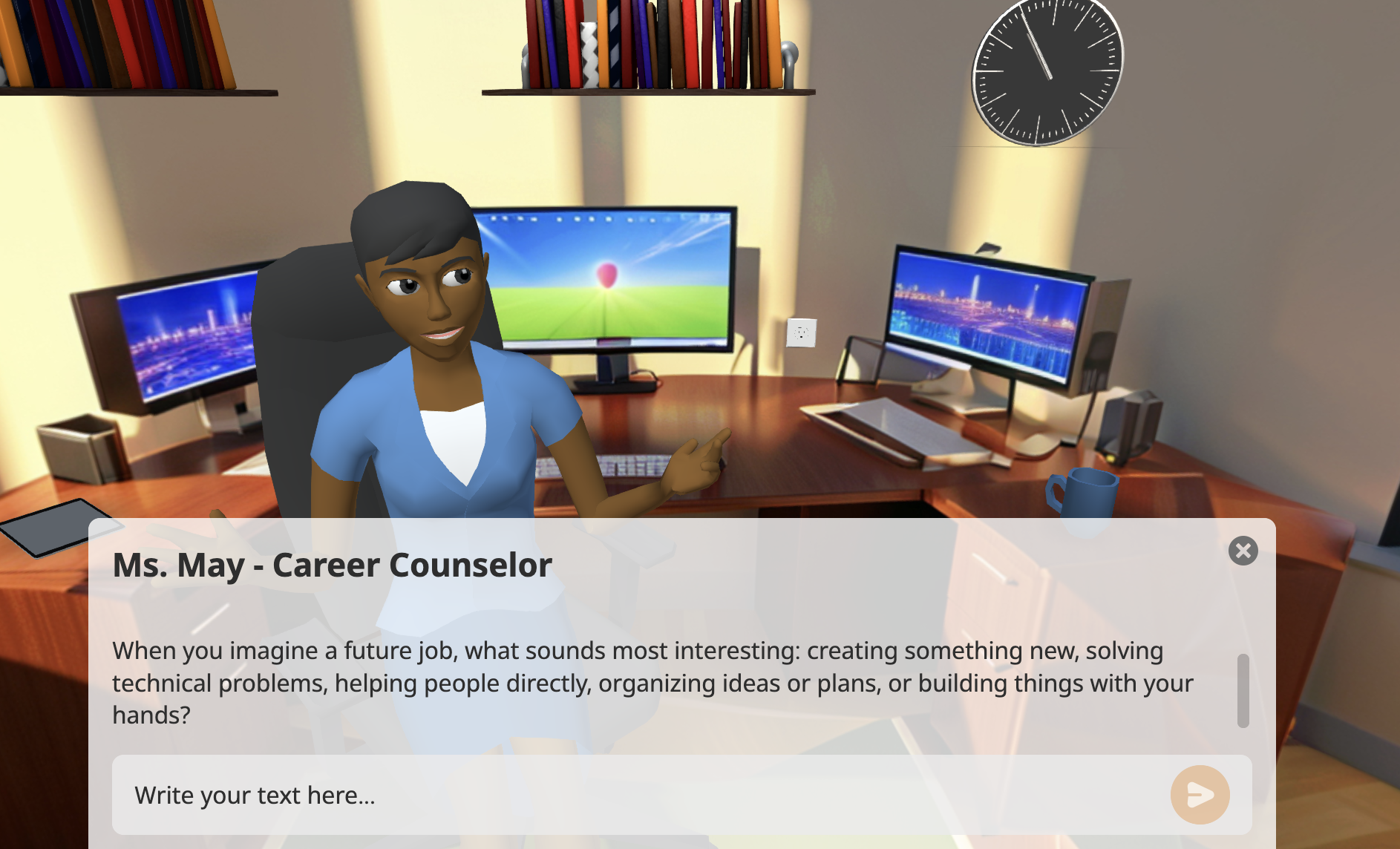
Free curriculum has made CS far more accessible, and Hello World offers free teacher accounts with access to projects, plus free courses like Interdisciplinary Quests and AI 360°. Where districts run into trouble is scale: free options on their own typically don't include teacher training, a Customer Success Manager, or anyone to call when a rollout stalls. Hello World's Fall Pilot Program pairs the full K-12 curriculum with professional development because that combination is what makes a program stick beyond one enthusiastic teacher.
Yes. Courses like Principles of IT, Web Development, Intro to Python, and Data Science & AI teach the tools working developers and analysts use every day, and AI Career Convos has students explore career pathways directly.
No. Most K-12 CS teachers come from other content areas: math, science, library media, even ELA. Hello World's curriculum is designed to start from ground zero, with scripted lessons and teacher resources built for non-specialists. Teachers can be ready to teach after a onboarding sessions and professional development.
Common models include a standalone CS course or elective, integration into existing math or science blocks, a specials rotation in elementary, and district-wide pathways that span grade levels. Hello World's free Interdisciplinary Quests are built for the integration model, connecting CS to science, math, ELA, and social studies in any classroom. Most districts start with a pilot in one grade band and expand from there.
It depends on the state. A growing number of states require every high school to offer at least one CS course, and some are moving toward graduation requirements. Elementary and middle school requirements are less common but expanding. Hello World's standards alignment shows how courses map to national and state CS standards, and if you're ahead of a mandate, that's an advantage.
Computer literacy is knowing how to use technology: typing, file management, online safety. Coding is writing instructions a computer can run. Computer science is the broader discipline underneath both: how computers process information, how algorithms work, how data is represented, and how to design solutions to problems. A strong CS program includes coding but is not limited to it. Hello World covers all three, from Productivity Tools and Computing Systems to full programming courses.
Teachers can create a free account and start using projects right away. Schools and districts join through the Fall Pilot Program, where purchasing professional development unlocks the full K-12 curriculum. Every partnership gets a Customer Success Manager and PD specialist for year-round support, and students showcase their work at local and high-profile events. Schedule a demo to see how it fits your district.
Whether students are coding their first virtual world in elementary school or building data tools in Python by senior year, our curriculum meets them where they are and gives them a clear path forward.